
If you want to hire skilled workers from outside the United Kingdom, there is one step that cannot be skipped, delayed, or worked around: you must hold a valid UK sponsor licence. Without it, you cannot issue a Certificate of Sponsorship, and without that certificate, no overseas worker can apply for a Skilled Worker visa to join your team.
In 2026, the UK’s immigration landscape has shifted significantly. The skill threshold for sponsored roles rose to RQF Level 6 in July 2025. The minimum salary floor now stands at £41,700 per year. English language requirements tightened in January 2026. The Immigration Skills Charge increased by 32% in late 2025. And the Home Office revoked nearly 2,000 sponsor licences in 2025 alone, largely due to compliance failures that could have been avoided with better preparation.
For UK employers looking to access global talent, including the growing pipeline of skilled Nigerian professionals moving into UK workforces, getting a sponsor licence right the first time is not just important. It is essential. At Sea-Faj Consult UK, we support employers through the entire process: from assessing eligibility and preparing documentation, to maintaining compliance after approval. This guide covers everything you need to know.
What Is a UK Sponsor Licence and Who Needs One?
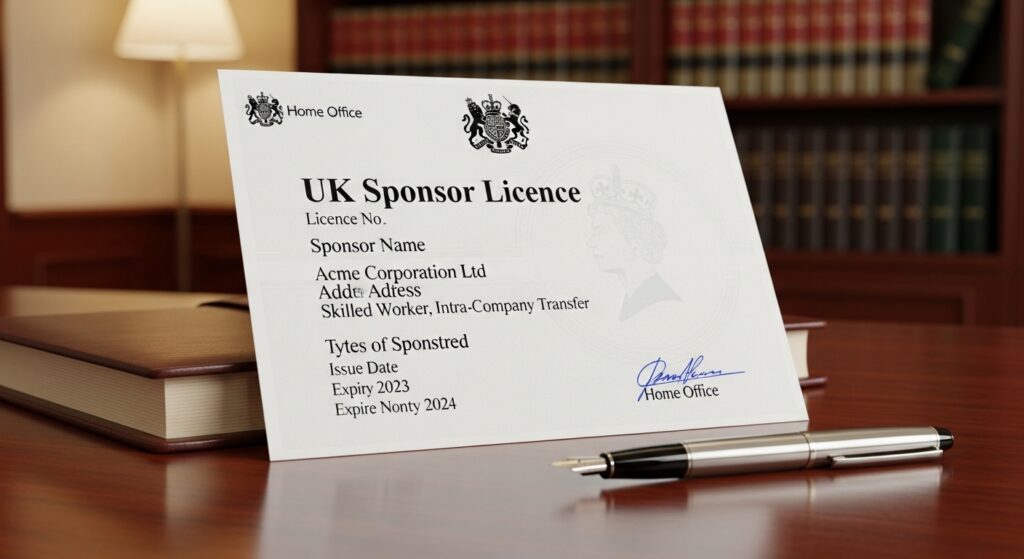
A sponsor licence is an approval granted by the Home Office that authorises a UK employer to hire overseas workers under the Skilled Worker visa route and other sponsored immigration categories. It is not optional. Any organisation that wants to employ a worker from outside the UK and Ireland, including Nigerian professionals, Indian engineers, Ghanaian healthcare workers, or any other non-UK national must hold an active sponsor licence before the hiring process begins.
The licence is issued to organisations, not individuals. It applies across your workforce, covering all sponsored roles as long as each meets the Home Office’s eligibility criteria. Once granted, it is valid for four years and can be renewed. It is managed through the Sponsorship Management System (SMS), which is where you assign Certificates of Sponsorship, report changes in employee circumstances, and maintain your compliance records.
The Register of Licensed Sponsors, a publicly searchable database maintained by the Home Office, currently lists over 120,000 approved organisations. Appearing on that register signals to the market that your business has met rigorous compliance standards and is authorised to hire internationally. It is, increasingly, a mark of credibility in sectors where global talent competition is intense.
The 2026 Rule Changes Every UK Employer Must Know

The sponsor licence landscape has changed materially since 2024, and employers who are not current with the new framework face real risk. Here are the changes that matter most this year:
- Skill threshold raised to RQF Level 6: From 22 July 2025, only roles requiring a bachelor’s degree equivalent or above are eligible for Skilled Worker sponsorship. This removed over 110 previously eligible occupations, including care workers, teaching assistants, and certain technician roles. If you are building a hiring strategy around roles that were sponsorable in 2024, you need to verify they still qualify.
- Minimum salary now £41,700 per year: The general salary floor increased significantly and must be met alongside the ‘going rate’ for the specific SOC code attached to the role, whichever is higher. Wrong salary calculations are one of the leading causes of licence suspension.
- English language requirement tightened to B2: From 8 January 2026, all new Skilled Worker applicants must demonstrate CEFR Level B2 English, up from B1. This affects candidate sourcing and pre-employment testing requirements.
- Immigration Skills Charge up 32%: The charge now stands at £1,000 per year per sponsored worker for standard employers (£364 for small businesses and charities). For a five-year sponsorship, large employers are now paying £6,600 in skills charges alone, before visa fees.
- Home Office audit activity intensified: Nearly 2,000 licences were revoked in 2025. Common causes included missing right-to-work evidence, late reporting of employee changes, incorrect SOC code assignments, and salary records that did not match actual payments. Compliance is not a box-tick exercise, it requires ongoing HR infrastructure.
Step-by-Step: How to Apply for a UK Sponsor Licence
Step 1: Confirm Your Eligibility
Before applying, your organisation must meet the Home Office’s basic eligibility criteria. You must be a genuinely operating business in the UK with a physical presence, a legitimate need to sponsor overseas workers, and no unspent criminal convictions related to immigration offences or fraud. Your organisation must also demonstrate that it has or will put in place, the HR systems and record-keeping processes required to meet sponsor duties on an ongoing basis.
At Sea-Faj Consult UK, our first step with every employer client is an eligibility and readiness assessment. We check your business structure, HR documentation, reporting procedures, and the roles you intend to sponsor against the current Home Office framework, identifying any gaps before you submit, not after.
Step 2: Gather Your Supporting Documents

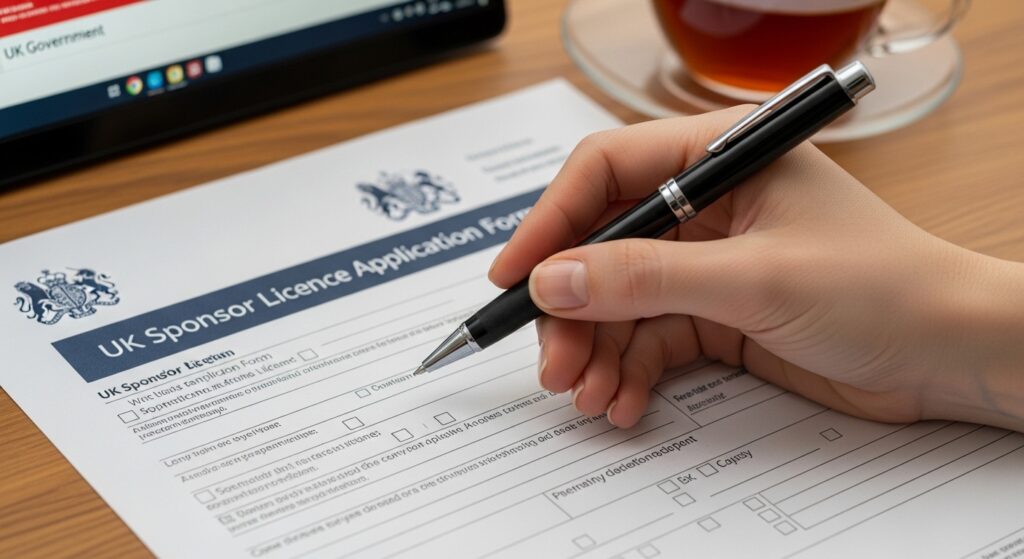
The Home Office requires a set of supporting documents that verify your business is genuine and capable of meeting sponsor obligations. Required documents typically include your Companies House registration, HMRC employer registration, VAT registration certificate (if applicable), business bank statements, employer liability insurance, and evidence of business premises. For newer businesses, additional evidence of trading activity may be required.
The exact document set varies depending on your business type and sector. Errors or omissions in supporting documents are one of the most common causes of application delays and refusals. Our team at Sea-Faj Consult UK prepares your full document bundle, checks every item against the current Home Office guidance, and ensures your submission is complete before it is filed.
Step 3: Assign Key Personnel Roles
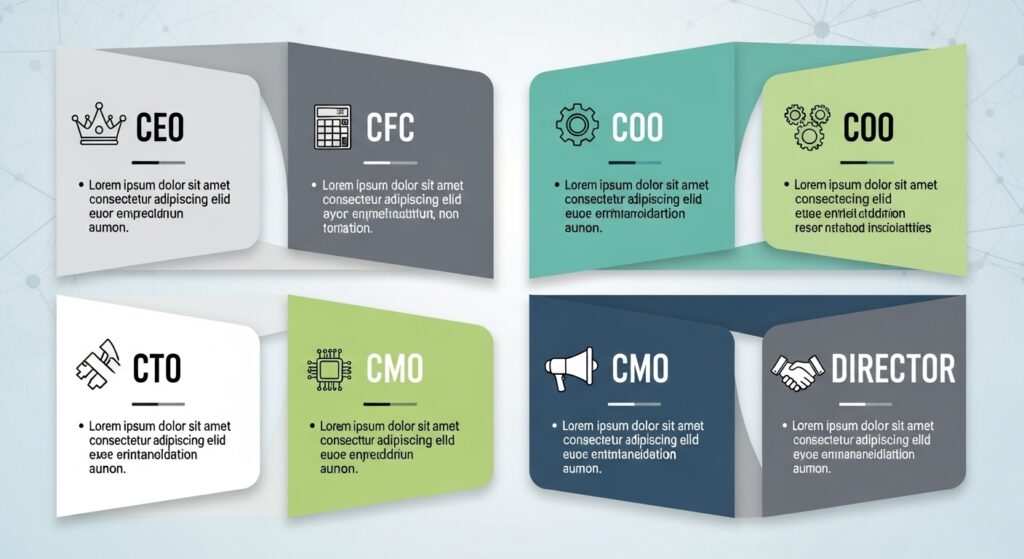
When applying for a sponsor licence, you must designate individuals to fulfil specific roles within the Sponsorship Management System. These include an Authorising Officer (typically a senior person with full oversight responsibility), a Key Contact (the primary communication point with UK Visas and Immigration), and one or more Level 1 Users (who carry out day-to-day SMS tasks). Each person must be a settled worker based in the UK, and the Home Office will conduct checks on named individuals. We advise on who to appoint and what compliance training they will need.
Step 4: Submit Your Application Online

The sponsor licence application is submitted through the UK Visas and Immigration online portal. The fee is £536 for small or charitable sponsors and £1,476 for medium and large businesses. Processing typically takes eight weeks, though the Home Office offers a priority service for an additional fee that reduces this to ten working days. We submit your application only when we are confident it is complete, correctly structured, and supported by the right documentation, minimising the risk of delays, requests for further information, or outright refusal.
Step 5: Pass Any Pre-Licence Compliance Visit

For some applications, particularly those from newer businesses or organisations in higher-risk sectors, the Home Office may conduct a pre-licence compliance visit before granting approval. An inspector will assess whether your HR systems, record-keeping, and compliance infrastructure are genuinely fit for purpose. Sea-Faj Consult UK prepares our clients fully for these visits: reviewing your HR documentation, walking you through what inspectors look for, and ensuring your processes are audit-ready before the visit takes place.
Step 6: Maintain Ongoing Compliance

Receiving your sponsor licence is not the finish line, it is the starting point for an ongoing compliance obligation. Sponsors must report certain changes in a sponsored worker’s circumstances within ten working days, conduct right-to-work checks before employment begins, maintain accurate records for every sponsored worker, and cooperate fully with any Home Office compliance audits. Failure to meet these duties is what led to nearly 2,000 licence revocations in 2025. We offer ongoing compliance support to all sponsor clients, acting as an extension of your HR function to ensure your licence stays clean and your sponsored workers remain properly documented.
Why UK Employers Work with Sea-Faj Consult UK for Sponsor Licence Support
The sponsor licence process is not inherently complicated, but it is unforgiving. Small errors in documentation, wrong SOC code assignments, or gaps in HR record-keeping all carry disproportionate consequences. An application rejection wastes your time and your fee. A licence revocation can shut down your entire international hiring capability overnight.
Sea-Faj Consult UK brings together immigration compliance expertise, deep sector knowledge, and a hands-on service model that removes this risk from your plate. We have helped employers across care, hospitality, technology, professional services, and logistics navigate the sponsor licence process, from initial eligibility assessment through to post-licence compliance management. We are APSCo Verified, Data Protection Certified, and a certified British Council agent, and our processes are built to the standard the Home Office expects.
Beyond the licence itself, we bring something equally valuable: access. Our extensive networks across African talent markets, including Nigeria, where demand for UK-based professional roles is particularly high mean that once your licence is in place, we can connect you with the calibre of candidate your business needs to grow.
Conclusion
In 2026, the UK sponsor licence is more valuable and more scrutinized than ever. Tightened eligibility rules, higher salary thresholds, and intensified Home Office audit activity mean that the employers who benefit most from international hiring are those who approach the process with rigour, preparation, and expert support.
Whether you are applying for your first sponsor licence, managing compliance for an existing one, or reviewing whether your current approach is audit-ready, Sea-Faj Consult UK is the partner to have beside you.
Ready to get your UK sponsor licence or audit -proof the one you have?
Contact Sea-Faj Consult UK today or call +447851321594 to speak with a compliance specialist.
Frequently Asked Questions
1. How long does a UK sponsor licence application take in 2026?
Standard processing takes up to eight weeks from the date the Home Office receives your complete application. A priority processing service is available for an additional fee, reducing the timeline to approximately ten working days. The clock starts only once your application is complete and all required documents have been submitted correctly, incomplete applications are returned and restart the timeline. Sea-Faj Consult UK ensures your application is complete before submission to avoid delays.
2. What is the cost of a UK sponsor licence?
The application fee is £536 for small or charitable organisations and £1,476 for medium and large businesses. These fees are non-refundable, even if the application is refused. On top of the application fee, you should budget for the Immigration Skills Charge (now £1,000 per year per sponsored worker for standard employers), Home Office visa fees, and any compliance support or professional fees. Sea-Faj Consult UK provides a full cost breakdown before you commit to the process.
3. What roles can I sponsor under the Skilled Worker visa in 2026?
From July 2025, only roles assessed at RQF Level 6 (equivalent to a bachelor’s degree) or above are eligible for standard Skilled Worker sponsorship. This means graduate-level professional and technical roles. Some medium-skilled roles in critical sectors remain temporarily eligible until December 2026 under the Temporary Shortage List, but workers sponsored under that route cannot bring dependants. We conduct a role eligibility assessment as part of our sponsor licence support service to ensure you are only attempting to sponsor roles that genuinely qualify.
4. Can my sponsor licence be revoked?
Yes and the Home Office revoked nearly 2,000 licences in 2025. Common causes include failure to conduct right-to-work checks, missing or inaccurate HR records, late reporting of changes in sponsored workers’ circumstances, incorrect SOC code assignments, and salary payments that do not match those declared at the point of sponsorship. A revoked licence can be devastating for your hiring operation. Sea-Faj Consult UK provides ongoing compliance monitoring and HR audit support to significantly reduce this risk.
5. Does Sea-Faj Consult UK help with the entire sponsor licence process?
Yes. Our sponsor licence support is end-to-end: eligibility assessment, document preparation, SMS role designation advice, application submission, pre-licence compliance visit preparation, and ongoing compliance management after approval. We also connect licensed sponsors with qualified international candidates, particularly from Nigeria and other African markets, once their licence is in place. Book a free consultation at uk.sea-fajconsult.com/contact to discuss your specific situation.